

Gravel Bike vs Road Bike: What's the Difference?
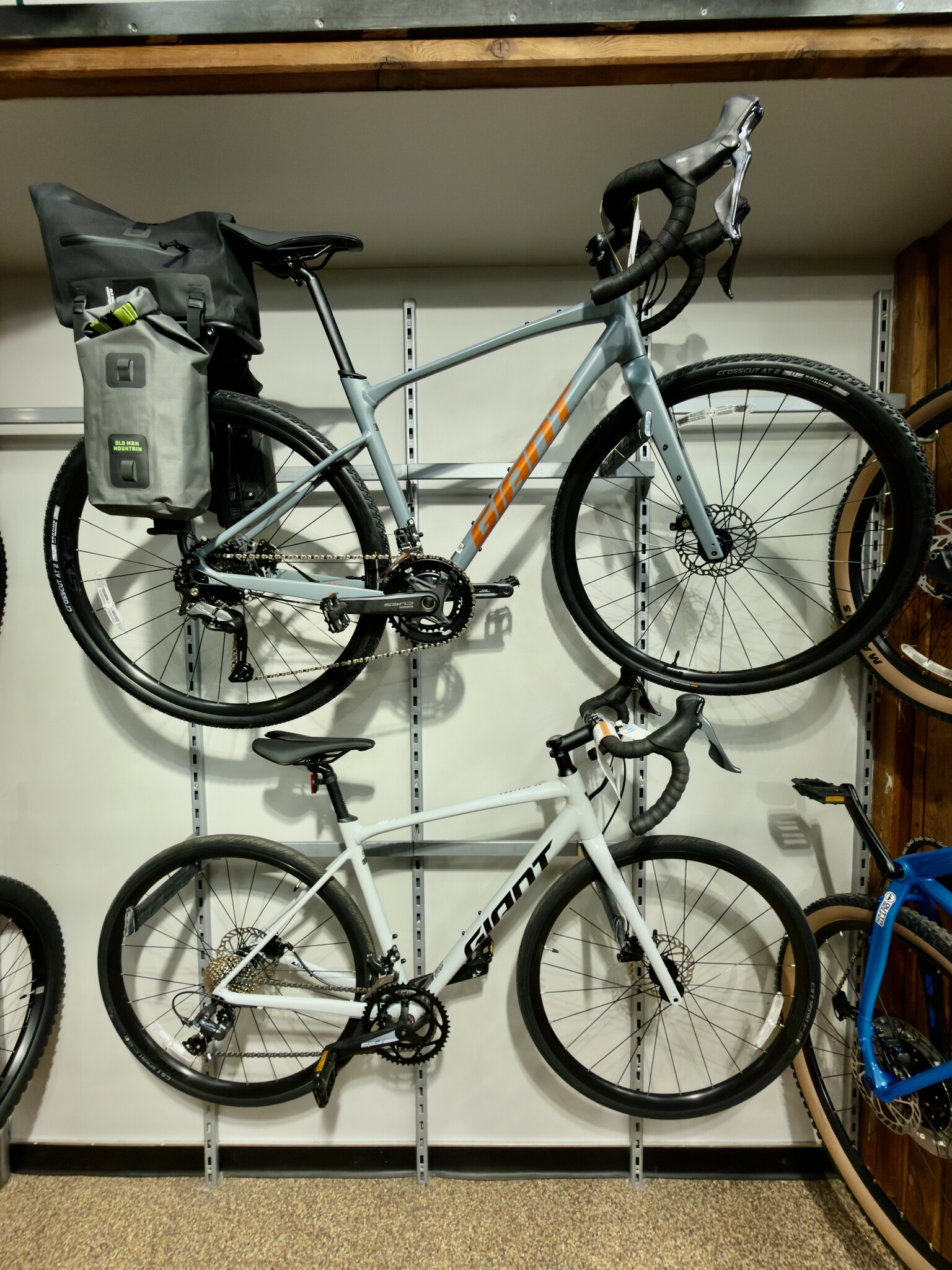
Wondering whether to buy a gravel bike or a road bike? Learn the key differences, similarities, use cases, and which bike is right for your riding style in this complete buyer's guide.
If you're shopping for a new bike, one of the most common questions you'll run into is gravel bike vs road bike. At first glance, they look nearly identical. Both use drop handlebars, lightweight frames, and are built for covering long distances efficiently.
But once you actually ride them, the differences become pretty obvious.
Choosing between a gravel bike and a road bike really comes down to where you ride, how you like to ride, and what kind of experience you want on the bike. Let’s break it down in a simple, shop-floor kind of way.
What Is a Road Bike?
A road bike is built for one thing: speed on pavement.
Everything about it is designed to make you faster on smooth roads. Lightweight frames, narrow tires, and an aerodynamic riding position all work together to help you go farther with less effort.
If your rides are mostly paved roads, bike paths, or group rides with friends, a road bike is right in its element.
Road Bike Benefits
-Fast and efficient on pavement
-Lightweight and great for climbing
-Quick, responsive handling
-Perfect for group rides and fitness training
-Ideal for long road distances
Most road bikes run tires between 25mm and 32mm, which keeps rolling resistance low and speed high on smooth surfaces.
What Is a Gravel Bike?
A gravel bike is all about versatility and adventure.
It still rides well on pavement, but it’s designed to handle rough roads, gravel paths, dirt roads, and even light trails. The big difference is clearance for wider tires, a more relaxed geometry, and gearing that’s better suited for mixed terrain.
Think of it as the “go anywhere” bike.
Gravel Bike Benefits
-Comfortable on rough and mixed terrain
-Handles gravel, dirt, and pavement
-Stable and confidence-inspiring ride feel
-Wider tire clearance for grip and comfort
-Great for bikepacking and exploring
Most gravel bikes fit tires between 38mm and 50mm, which makes a huge difference in comfort and control when the pavement ends.
Gravel Bike vs Road Bike: Key Differences
Tire Width
Road bikes use narrow tires for speed and efficiency on smooth pavement.
Gravel bikes use wider tires that absorb bumps, improve traction, and make rough surfaces much more comfortable.
Riding Position
Road bikes put you in a lower, more aerodynamic position for speed.
Gravel bikes are more upright, which reduces fatigue and gives you better control on loose or uneven terrain.
Geometry
Road bike geometry is designed for quick handling and fast acceleration.
Gravel bike geometry is more stable, especially at lower speeds or on rough ground.
Gearing
Road bikes are geared for maintaining speed on pavement and climbing efficiently.
Gravel bikes usually have lower gearing, making steep dirt climbs and loaded riding much easier.
Mounting Options
Gravel bikes often include extra mounts for:
-Frame bags
-Racks
-Extra water bottles
-Fenders
Road bikes usually keep things minimal to stay lightweight and fast.
When Should You Choose a Road Bike?
A road bike is a great choice if you:
-Ride mostly or only on pavement
-Want maximum speed and efficiency
-Join group rides or cycling clubs
-Train for fitness or events
-Enjoy fast climbing and descending
If your main goal is going as fast as possible on smooth roads, a road bike is hard to beat.
When Should You Choose a Gravel Bike?
A gravel bike is ideal if you:
-Ride a mix of pavement and gravel
-Like exploring new routes and backroads
-Want one bike that does almost everything
-Commute or ride recreationally
-Value comfort and versatility over pure speed
For a lot of riders, gravel bikes are the “do-it-all” option that removes limits on where you can ride.
How Are Gravel Bikes and Road Bikes Similar?
Even though they’re built for different terrain, they share a lot in common.
Both typically feature:
-Drop handlebars
-Lightweight frames
-Efficient drivetrains
-Multiple hand positions
-Strong long-distance performance
At the end of the day, both are designed to make cycling fun, efficient, and capable over long rides. The real difference is simply where they perform best.
Can You Ride a Gravel Bike on the Road?
Yes—and a lot of people do.
With smoother tires, a gravel bike can feel surprisingly fast on pavement while still keeping its comfort advantage.
On the flip side, some endurance road bikes can handle light gravel, but they’re limited by tire clearance and geometry.
If your rides mix surfaces regularly, gravel bikes usually win on flexibility.
Road Bike or Gravel Bike: Which Should You Buy?
It really comes down to your riding style.
Choose a road bike if you want speed, efficiency, and mostly ride smooth pavement.
Choose a gravel bike if you want comfort, versatility, and the freedom to explore different terrain.
For many riders—especially recreational cyclists—a gravel bike ends up being the more practical and enjoyable choice.
Final Thoughts
The gravel bike vs road bike debate doesn’t have a single right answer.
Road bikes are built for speed and performance on pavement. Gravel bikes are built for adventure and flexibility across all kinds of terrain.
The best bike is the one that fits the way you actually ride—not just how you think you might ride.
If you’re still unsure, the best move is simple: come in, take both for a spin, and feel the difference for yourself. That’s usually all it takes.
Frequently Asked Questions
Is a gravel bike slower than a road bike?
Generally yes. Gravel bikes trade a bit of speed for comfort, stability, and versatility.
Can I use a gravel bike for commuting?
Absolutely. They’re one of the best commuting options thanks to comfort and tire durability.
Can a road bike ride on gravel?
Only on smooth, hard-packed gravel. Rough or loose terrain is not ideal.
Which bike is better for beginners?
Many beginners prefer gravel bikes because they’re more comfortable, stable, and forgiving across different surfaces.
Comments
Be the first to comment...