

SiS Beta Fuel vs. GO Isotonic: Which Energy Gel Should You Actually Use?
Whether you’re training for your first big event, grinding through marathon prep, or just heading out for a long weekend ride, getting your nutrition right can be the difference between feeling strong… or completely running on empty.
Whether you’re training for your first big event, grinding through marathon prep, or just heading out for a long weekend ride, getting your nutrition right can be the difference between feeling strong… or completely running on empty.
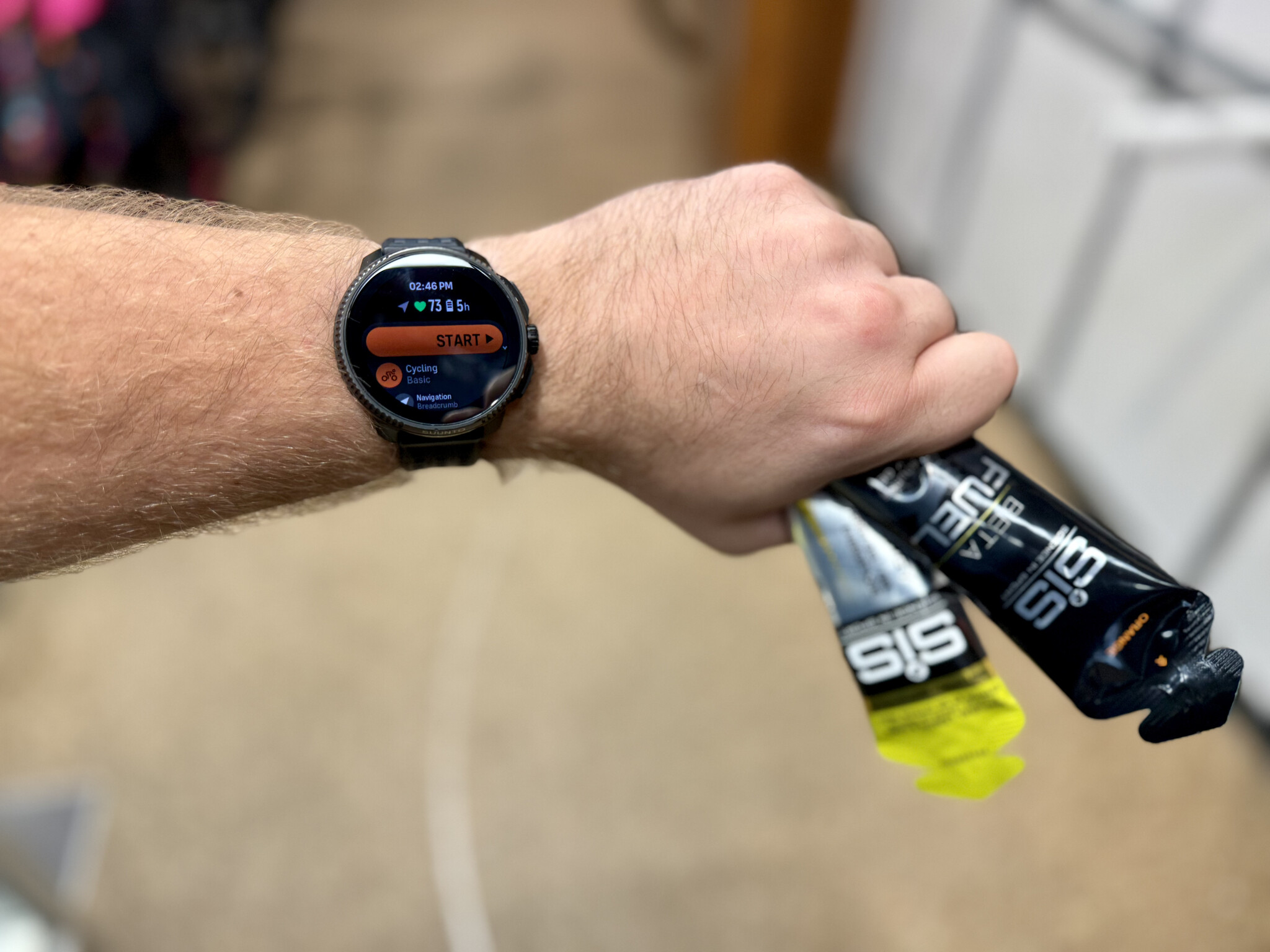
Science in Sport (SiS) has been around for years and is one of the go-to brands for endurance fuel. Two of their most popular gels are the GO Isotonic Energy Gel and the newer Beta Fuel Energy Gel.
They might look pretty similar at first glance, but they’re actually designed for very different jobs. Let’s break it down in a simple, no-nonsense way.
So what’s the difference?
SiS made a name for itself with the GO Isotonic gel, which was one of the first gels you could take without needing to immediately chug water afterwards. It’s light, easy to take, and super convenient when you’re on the move.
Beta Fuel, on the other hand, is the “serious endurance” option. It’s built for longer, harder efforts where you need to get a lot more carbs in without constantly eating or stopping.
In short:
-GO Isotonic = easy, quick energy
-Beta Fuel = higher performance, longer-lasting fuel
GO Isotonic Energy Gel
This is the classic SiS gel most people start with.
Each gel gives you around 22g of carbs, mainly from maltodextrin. The big selling point is the texture — it’s thin and isotonic, so you can take it without needing water straight away.
That makes it really handy when you’re mid-ride and don’t want to faff around with bottles.
Why people like it
-Easy to swallow (no thick syrup feeling)
-No immediate water needed
-Gentle on the stomach for most people
-Loads of flavours to choose from
-Great for beginners or shorter sessions
For most riders, this is the “grab and go” gel for training rides, club spins, or anything under a couple of hours.
Beta Fuel Energy Gel
Now this is where things step up a level.
Beta Fuel is designed for endurance athletes who need to take on a lot more carbs per hour without upsetting their stomach.
Each gel packs in 40g of carbs, which is almost double GO Isotonic. It uses a maltodextrin + fructose mix (1:0.8 ratio), which basically helps your body absorb more fuel at once.
That means you can push higher carb intake (think 90–120g per hour) if you’ve trained your gut for it.
Why people use it
-40g carbs per gel = more energy per hit
-Fewer gels needed overall
-Better for long efforts and races
-Helps support high-carb fueling strategies
-More efficient for endurance events
-Instead of stuffing your pockets with loads of gels, you can carry fewer and still hit your fueling targets.
Quick side-by-side
| Feature | GO Isotonic | Beta Fuel |
|---|---|---|
| Carbs per gel | 22g | 40g |
| Carb source | Maltodextrin | Maltodextrin + Fructose |
| Water needed | No | Not immediately |
| Best for | Shorter rides, training | Long endurance events |
| Flavour range | Big variety | More limited |
| Energy per gel | Moderate | High |
Which one should you pick?
It really comes down to how you train/race.
Go for GO Isotonic if:
-Your efforts are usually under 2 hours
-You’re new to using gels
-You want something light and easy
-You don’t want to think too much about nutrition
-It’s basically your everyday training gel.
Go for Beta Fuel if:
-You’re riding or racing for 2+ hours
-You’re doing long events like running, gravel rides, or triathlons
-You’re aiming for high carb intake (90g+ per hour)
-You want fewer gels but more energy
-This is the “performance” option for big days out.
What about stomach issues?
This is the big question everyone asks.
GO Isotonic is generally very easy on the stomach because it’s light and watery. It’s a safe bet if you’re not used to gels.
Beta Fuel is a bit thicker and sweeter, so it can take some getting used to. That said, a lot of athletes tolerate it really well once they’ve trained their gut to handle higher carb intake.
The key thing? Don’t try anything new on race day. Always test it in training first.
Can you use both?
Yep — and a lot of people do.
For example:
-Easy effort: just GO Isotonic
-Long effort: mostly Beta Fuel, maybe a GO gel early on
-Race day: Beta Fuel as your main fuel, plus hydration and electrolytes
-Mixing them can also help stop flavour fatigue on longer rides.
Final thoughts
Both SiS gels are solid — it just depends on what you need.
If you want something simple, reliable, and easy to use, GO Isotonic is perfect.
If you’re pushing longer distances and want to maximize performance, Beta Fuel is the stronger option.
At the end of the day, the best gel is the one your stomach actually gets along with. So test them out in training, figure out what works for you, and don’t leave it until race day to find out.
Comments
Be the first to comment...